
 Blurt.blog
 BlurtForum
 Discord
 Video
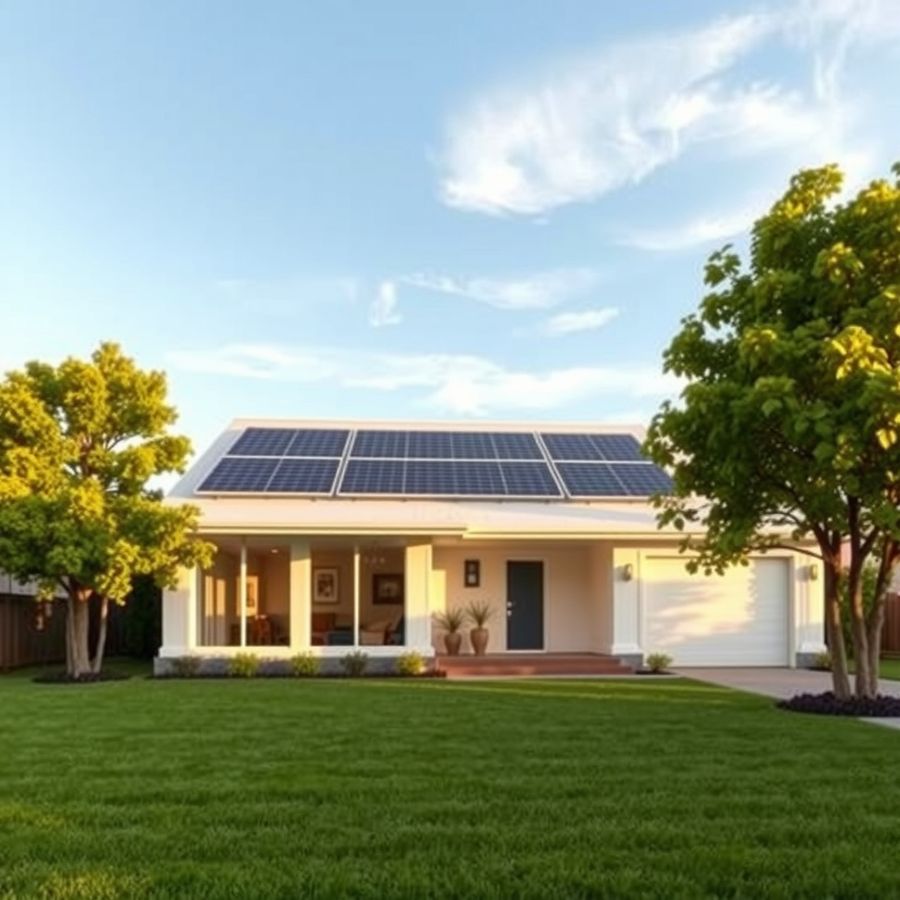
Solar panels give you unlimited free power the second sunlight touches your roof, but that turns out to be only half true. While sunlight is completely free, converting bright daylight into usable electricity for your desk lamp or laptop takes a carefully balanced system. If you do not have a way to store or direct that energy properly, much of it simply goes to waste when the sun goes down.
Whether you are studying environmental science, living in student housing, or just curious about how renewable tech actually operates, understanding home solar power does not require an engineering degree. At its core, home solar is just a clever sequence of catching light, changing its form, and saving it for later.
Here is a simple breakdown of how home solar panels and battery systems work, along with six practical ways to understand and manage this technology in daily life.
Understanding how solar cells turn light into raw electric current
Solar panels are made of many smaller units called photovoltaic cells, usually crafted from silicon. When sunlight hits these cells, tiny light particles knock electrons loose from the silicon atoms. Those loose electrons are forced to flow in one direction along thin metal wires built into the panel, creating a continuous flow of electricity.
This process creates direct current, or DC electricity. Think of direct current like water flowing down a single straight slide; it moves steadily in one direction. Knowing how this works helps you understand why small details like shade or dirt matter so much. If a big tree leaf blocks part of the panel, it slows down the flow of electrons through that entire row, just like a kink in a garden hose reduces water flow at the nozzle.
Imagine a large tray filled with tiny marbles. If you shake the tray gently under a lamp, the marbles start rolling down a built-in groove into a container. That rolling motion of marbles is just like the movement of electrons creating raw power.
A common mistake is thinking solar panels need burning heat to function best. In reality, panels run far more efficiently on cool, crisp, clear days because extreme heat actually increases electrical resistance inside the silicon.
Matching your energy use to peak sun hours
Because panels generate the highest amount of power when the sun sits directly overhead, using heavy electronics during the middle of the day is the most efficient choice. Between 10 AM and 3 PM, your roof generates a excess flow of raw electricity.
When you run appliances during these peak hours, your home uses that fresh power directly off the roof without needing to route it through a battery first. Every time electricity moves in or out of a battery, a tiny percentage of energy turns into lost heat. Using solar power directly as it gets created cuts down on those hidden energy losses.
Think of this like eating fresh fruit straight off a tree in your garden. It takes zero energy to store or preserve it because you are consuming it right at the moment of peak harvest.
If you live in a home with solar panels, try setting timers to run your dishwasher or load of laundry at noon instead of 9 PM. A simple mistake people make is waiting until bedtime to charge all their heavy devices, which forces the system to pull energy out of storage rather than straight from the sun.
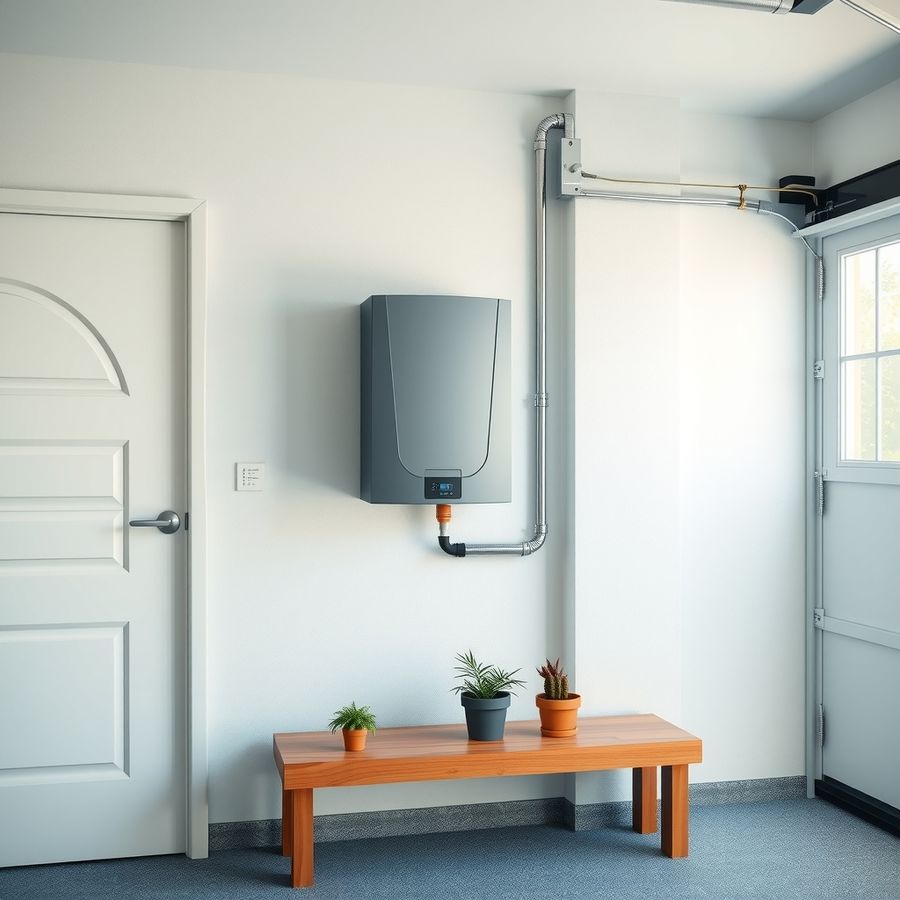
Storing extra power in home batteries for cloudy days and nights
Sunlight disappears every evening, but your need for lights and laptop chargers stays the same. Home batteries solve this by taking excess solar energy generated during the sunny afternoon and saving it in chemical form.
Inside a standard home battery, electrical energy causes chemical reactions that hold potential power inside internal cells. When you flip on a light switch at midnight, that chemical reaction reverses itself, releasing stored energy back out into your home wiring. This keeps your room lit even during a sudden grid outage or a heavy thunderstorm.
Picture a large rain barrel positioned right under a roof gutter. During a heavy rainstorm, the barrel fills up to the top. When the rain stops two days later, you can open the spout at the bottom to water your desk plants.
To make a home battery system last as long as possible, avoid draining it down to zero percent every single night. Deeply discharging a chemical battery over and over causes internal wear, so setting a floor reserve of roughly twenty percent helps extend its overall life.
Using inverters to convert DC electricity into AC for standard wall outlets
Solar panels produce direct current (DC), and batteries store direct current too. However, almost every standard wall outlet in a home relies on alternating current (AC), where the electrical flow rapidly switches direction back and forth dozens of times per second.
This is where an inverter comes into play. An inverter sits between your solar panels, your battery, and your home circuit breaker box. Its main job is to constantly flip the direction of the raw DC current so it matches the steady AC rhythm that your fridge, TV, and phone chargers expect.
Imagine an international flight where two passengers speak completely different languages. The inverter acts like a calm, fast-working translator standing between them, ensuring every message gets translated instantly so both sides can work together.
Without an inverter, raw solar electricity would quickly damage standard household devices. Keep in mind that inverters create a faint hum and a little bit of warm exhaust air while working, so placing them in a well-ventilated space like a utility room or garage prevents unnecessary overheating.
Balancing your power draw to avoid overloading stored energy reserves
Home batteries have strict limits on two different measurements: capacity and output rate. Capacity measures how much total power the battery holds over time, while output rate measures how much power it can push out in a single second.
If you turn on a microwave, a space heater, a clothes dryer, and an electric kettle all at the exact same moment while running on battery power, you might exceed the maximum output rate. When that happens, the system safety switch trips to protect internal electronics from heat damage, cutting off power to your room.
Think about drinking juice through a straw. Capacity is the size of your cup, while output rate is the width of your straw. If you try to gulp down the whole drink through a tiny straw in two seconds, you hit a bottleneck.
A practical tip is to staggering heavy appliances when relying on battery storage. Run the microwave first, let it finish, and then turn on your hair dryer. That simple habit prevents high-power spikes that drain stored energy reserves too fast.
Weighing real trade-offs like high setup costs and recycling challenges
While solar and battery systems offer clean power during everyday use, they come with genuine downsides that are important to understand clearly. Manufacturing solar panels and lithium batteries requires mining raw minerals, complex factory processing, and heavy shipping transport.
The upfront financial cost for equipment and installation remains quite high, often taking eight to twelve years of energy savings just to pay for itself. Additionally, recycling old panels and degraded chemical batteries at the end of their fifteen to twenty-five year life spans requires specialized recycling facilities that are still relatively limited in many regions.
Think of it like buying a sturdy, high-end winter coat. It costs a lot up front and requires specific care, but it protects you reliably for years if you maintain it properly.
A common mistake is assuming that buying a solar system means zero future maintenance. Roof panels need occasional cleaning to clear off dust or falling leaves, and system software needs periodic updates to keep battery health monitors working correctly.
Quick recap
- Solar panels use photovoltaic silicon cells to knock electrons loose, creating direct current electricity.
- Using power-heavy appliances during peak daytime hours maximizes direct solar energy use.
- Home batteries store excess daytime electricity in chemical form for nighttime or outage use.
- Inverters translate direct current from panels and batteries into alternating current for wall plugs.
- Staggering high-wattage electronics prevents power spikes that wear down battery storage capacity.
- Solar systems have upfront costs, mineral mining impacts, and long-term recycling requirements to consider.
Have you ever lived in a house with solar panels, or used a small portable solar charger while studying outdoors?
You might also like
- A Simple Way to Manage Your Online Passwords
- How to Back Up Small Business Files and Photos Without Any Stress
- Clear Ways to Improve Your Home Internet Without Buying Expensive Gadgets
Written with AI assistance; images are AI-generated.
Comments