
 Blurt.blog
 BlurtForum
 Discord
 Wideo

Most people assume a sunny day is just a chance to enjoy fresh air, but for seniors and the loved ones who look after them, the combination of heat and ultraviolet rays can quickly turn pleasant into risky. A lot of caregivers notice that a simple walk to the mailbox can leave a grandparent feeling drained, red‑cheeked, or worse, after just a few minutes in the afternoon sun. That’s why a thoughtful, step‑by‑step routine matters – it keeps the day comfortable, protects delicate skin, and reduces the chance of heat‑related trouble without demanding a complete schedule overhaul.
Aging skin loses some of its natural barrier and the body’s ability to regulate temperature slows down. According to public‑health guidelines, seniors should limit direct sun exposure, stay hydrated, and wear protective clothing even on cloudy days. The routine below stitches these recommendations into everyday moments, so you can follow it whether the day is packed with appointments or surprisingly quiet.
Morning: Gentle Sun Protection Start
6:30 am – Wake up and hydrate
Start the day with a glass of water at the bedside. After a night without fluids, the body is already a bit dehydrated, and a quick sip kick‑starts circulation. If the senior has a routine of taking blood‑pressure meds, drinking water first helps the body process them more smoothly.
7:00 am – Light‑weight breakfast and sunscreen
While enjoying oatmeal or fruit, apply a broad‑spectrum sunscreen with at least SPF 30 to exposed skin – face, neck, arms, and the backs of hands. Sunscreen works by absorbing or reflecting UV rays; applying it before stepping outside ensures the barrier is in place. A common mistake is waiting until the skin feels hot; instead, put it on 15 minutes before heading out, and reapply after 80 minutes of sun or after sweating.
7:30 am – Dress for protection
Choose loose, light‑colored clothing, a wide‑brim hat, and UV‑blocking sunglasses. Light colors reflect heat, while tightly woven fabrics shield UV better than thin, sheer options. If a favorite shirt is dark, layer it with a light cardigan that can be removed later. This layer‑ing approach lets you adapt if the morning turns cooler than expected.
8:00 am – Short walk or garden time
Aim for 10‑15 minutes of gentle activity, such as a stroll to the mailbox or watering indoor plants. Early morning sun is less intense (usually under a UV index of 3), so brief exposure still provides vitamin D without overwhelming the skin. If you’re busy, combine this with another chore – checking mail while walking down the driveway, for instance.
Adaptation tip for a packed day
If the morning schedule is tight, move the sunscreen step to the night before: apply a moisturizing SPF cream before bed; it still offers some protection for early‑day exposure, though a fresh layer in the morning is ideal.
Midday: Staying Cool and Hydrated
12:00 pm – Lunch under shade
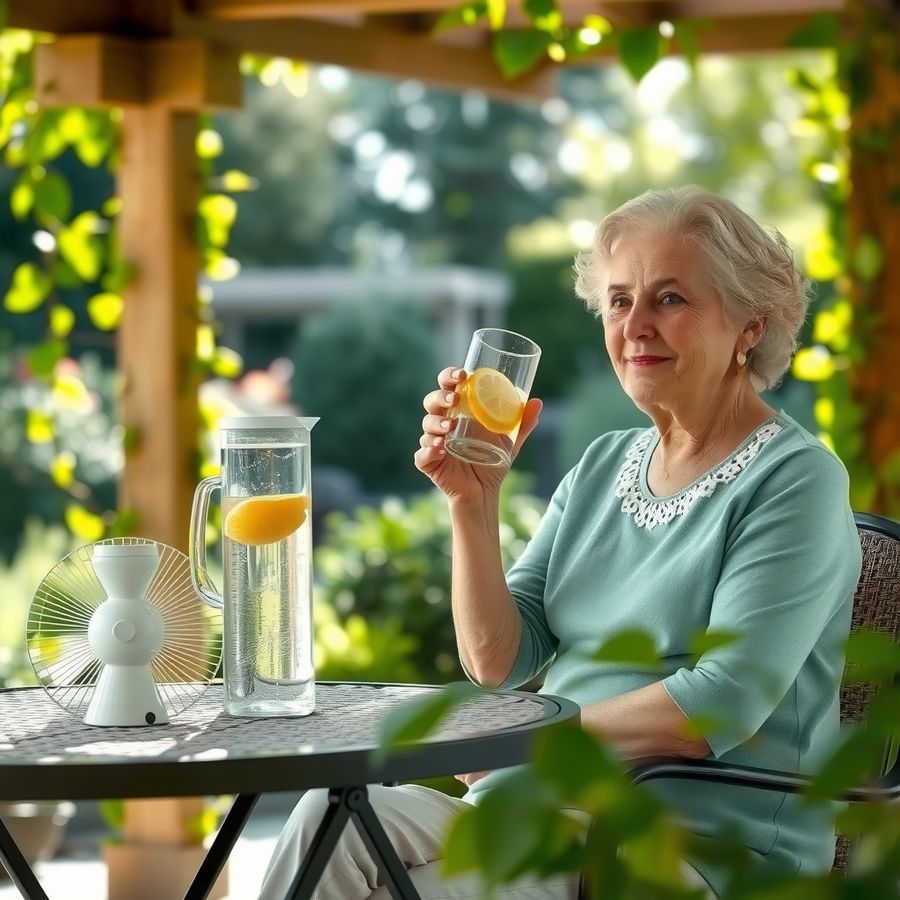
Plan the main meal in a shaded spot – a porch, pergola, or indoor dining area with a fan. Eating a balanced lunch with protein, whole grains, and plenty of water‑rich foods (cucumber, watermelon) helps maintain energy levels. The shade reduces direct UV exposure, and the cooler environment lessens the heart’s workload.
12:30 pm – Hydration break
Sip water slowly, aiming for at least 8 oz every 20 minutes. Adding a slice of citrus or cucumber can make it more appealing, especially for those who forget to drink. Dehydration can sneak up on seniors because the thirst signal weakens with age; setting a timer on a phone or kitchen clock is a practical reminder.
1:00 pm – Light activity or rest
If errands are on the agenda, keep them brief and schedule them during the cooler parts of the day. For a busy caregiver, this might mean a 10‑minute grocery run followed by a 5‑minute sit‑down in the shade. If the heat spikes (UV index above 7), pause outdoors activities and move indoors.
Common mistake
Many think drinking a large glass at once prevents dehydration. In reality, steady sipping is more effective because the kidneys can process smaller amounts better. Also, avoid caffeine or alcohol during this window; they can increase fluid loss.
Afternoon: Smart Shade Strategies
3:30 pm – Gentle movement\nA short, seated stretch or a walk around the backyard for 5‑10 minutes keeps circulation going without overheating. Keep a lightweight blanket or shawl handy to cover the shoulders if the sun starts to dip lower on the horizon, as UV rays can still be strong.
4:00 pm – Snack with electrolytes
A modest snack like a handful of nuts and a piece of fruit supplies both energy and natural electrolytes. Pair it with a glass of water that has a pinch of sea salt if the senior tends to sweat a lot. This helps replace sodium lost through sweat, which is important for blood‑pressure stability.
Adaptation for a rushed schedule
If the afternoon is packed with appointments, carry a portable cooler bag with a pre‑packed snack and a small bottle of water. Having it on hand eliminates the need to search for food later, reducing the temptation to skip hydration.
Evening: Recovery and Skin Care
6:30 pm – Cool‑down shower
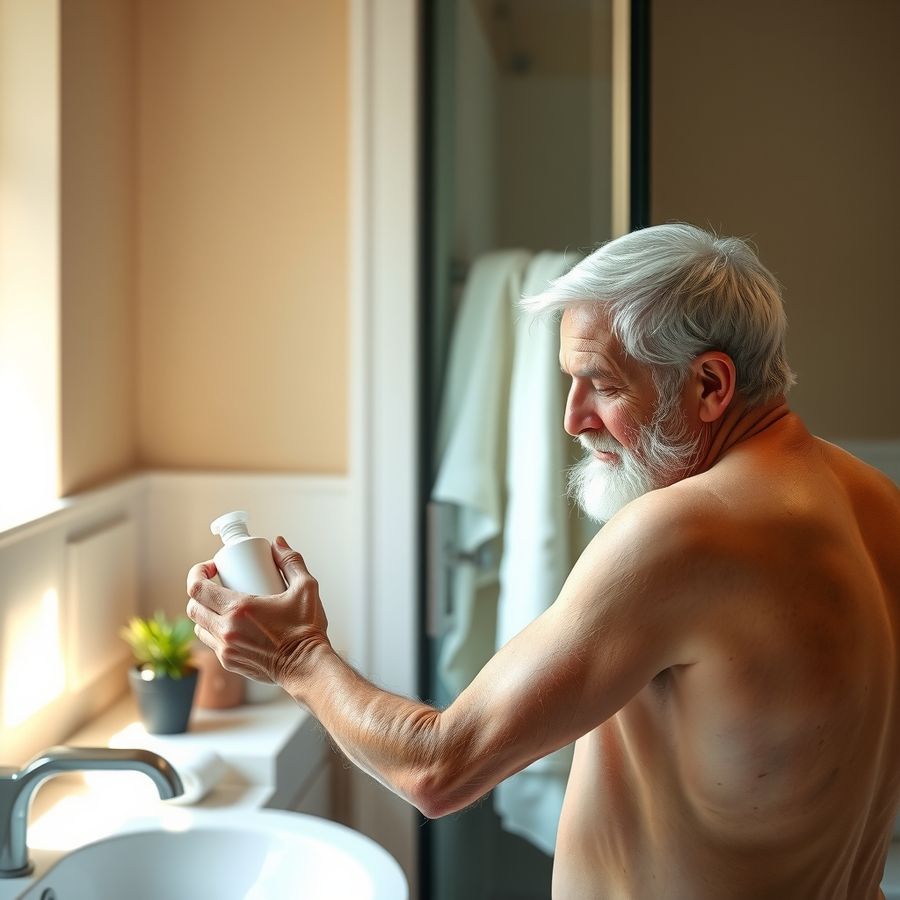
A lukewarm shower (not hot) lowers body temperature and washes away any residual sweat and sunscreen residue, which can clog pores if left on the skin. For seniors with limited mobility, a seated shower bench or a handheld showerhead makes the process safer.
7:00 pm – Moisturize and protect
Apply a fragrance‑free moisturizer to lock in hydration. Moisturizing after a shower helps the skin retain water, which is especially important after a day of sun exposure. If the skin appears reddened or irritated, a cool compress for a few minutes can soothe it.
7:30 pm – Light dinner and early bedtime
Finish the day with a light, easily digestible dinner – think grilled fish, steamed veggies, and a small portion of quinoa. Eating a balanced meal supports the body’s repair processes overnight. Aim for the lights out by 9:30 pm; a cooler sleeping environment (around 68 °F) promotes better rest and reduces the risk of nighttime overheating.
When to see a doctor
If the senior experiences persistent dizziness, confusion, excessive sweating, or skin that blisters or peels after sun exposure, seek medical attention promptly. These could be signs of heat exhaustion or a more serious sunburn requiring professional care.
Quick recap
- Start the day with water, sunscreen, and a wide‑brim hat before any outdoor step.
- Keep meals and hydration in shaded areas; sip water regularly rather than gulping.
- Use brief, low‑intensity activity in the afternoon and protect skin with clothing or a light blanket.
- End with a lukewarm shower, moisturize, and aim for an early, cool bedtime.
- Listen to the body: any signs of overheating or severe skin irritation mean it’s time to call a doctor.
Sticking to these small, doable steps can turn a hot, bright day into a comfortable, safe experience for seniors and the people who care for them. What sun‑safety tricks have you found most helpful in your routine? Feel free to share in the comments below.
You might also like
- Smart Snacking Strategies for Steady Energy in Your 40s and 50s
- A Simple Daily Walking Routine for Busy People in Their Twenties and Thirties
- Sorting Fact from Fiction in Everyday Teen Hygiene
These are general wellness tips, not medical advice. Please talk to a doctor about your own health. Written with AI assistance; images are AI-generated.
Komentarze