
 Blurt.blog
 BlurtForum
 Discord
 Wideo

Cars require fuel to move and get us where we need to go. For most of our lives, that fuel has been gasoline. Switching to an electric vehicle is a shift in how we think about that fuel, but it does not have to be a complicated one. Many people in their golden years are finding that these cars offer a quieter, smoother, and surprisingly simple way to get around town.
Changing the way you drive does not mean you have to learn complex computer skills. It is more about changing the habit of where you stop to refuel. If you value a quiet ride, less maintenance, and the convenience of starting your day with a full tank without visiting a station, this shift might be a good fit for your lifestyle.
How it works: A simple comparison
Think of an electric car like a large version of a cordless vacuum or a rechargeable power tool. A standard car has a combustion engine, which is like a tiny, continuous explosion inside the machine that moves parts to create motion. It is loud, has many moving pieces, and requires oil and regular maintenance to keep from wearing out.
An electric car replaces all those explosions with a battery pack and an electric motor. The battery stores energy, and the motor uses that energy to spin the wheels. Because there are no explosions, the car runs silently. Because there are fewer moving parts, there is much less to break down over time. You no longer need to worry about oil changes, spark plugs, or exhaust pipes.
Charging at home versus the road
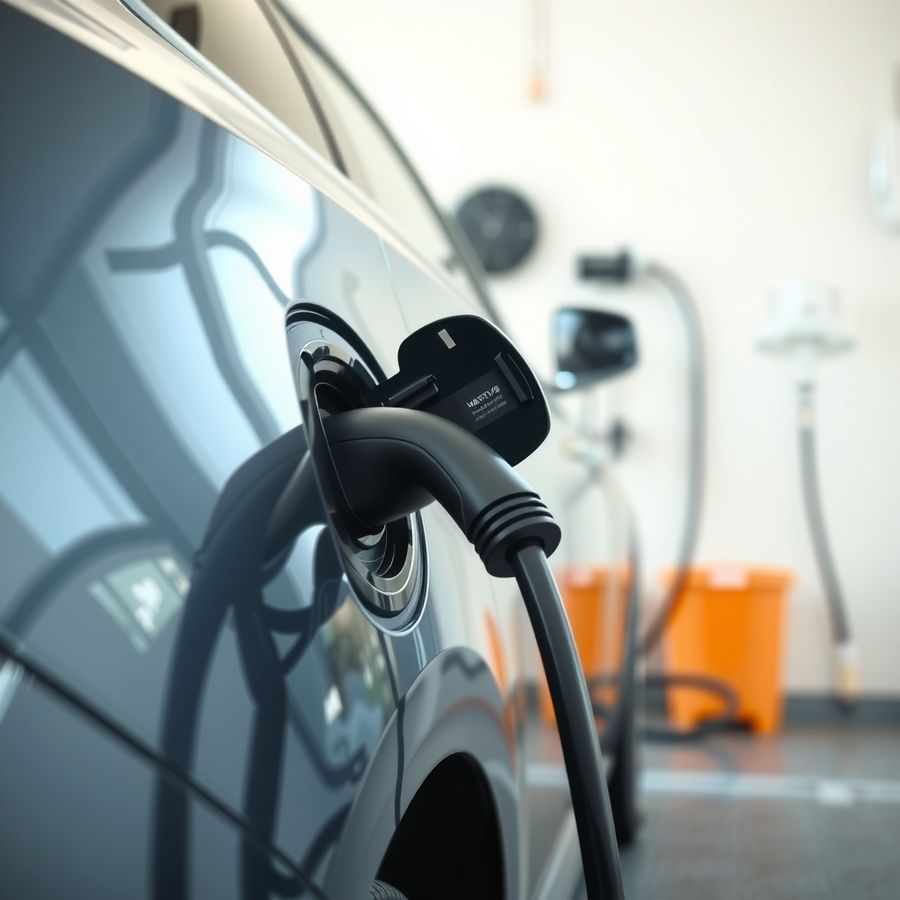
Most owners charge their car at home while they sleep. This is the biggest change in routine. You simply plug the car into a wall unit in your garage or carport, much like you would charge your phone at night. You wake up every morning with a full charge, ready for your errands.
If you are traveling long distances, you will use public charging stations. These work like traditional gas stations, but they take a bit longer. You might plug in, go inside for a coffee or a short walk, and return to a car that has added a significant amount of range. The key is planning. Most newer cars can tell you exactly where the nearest chargers are, so you are rarely left guessing.
Realistic benefits and limitations
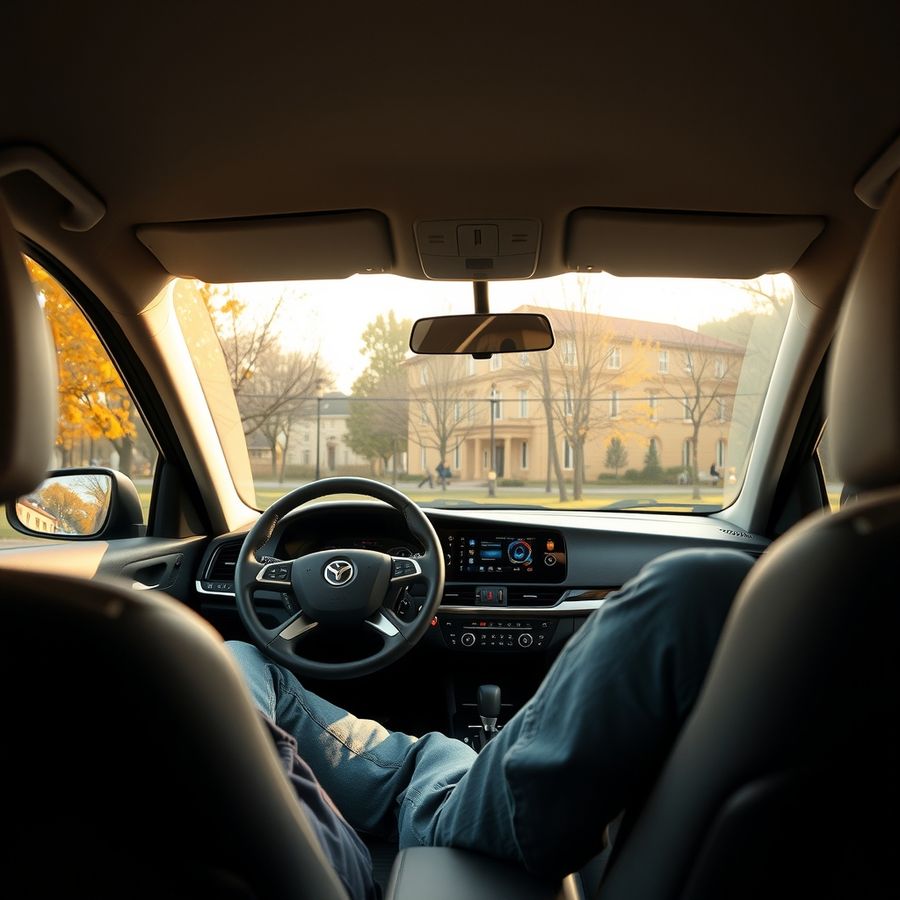
One of the best parts is the ride itself. Electric motors provide instant power, which makes merging onto a highway or pulling out into traffic feel very responsive. The cars are also heavy due to the batteries, which makes them feel stable and planted on the road. Plus, the lack of engine noise makes for a very relaxing experience.
However, there are real limits. If you live in an apartment without a dedicated parking spot, charging can be a significant hurdle. Also, in very cold weather, the batteries do not hold as much energy, which means your driving range will drop. Finally, while they are cheaper to operate day-to-day, the initial purchase price is often higher than a comparable gasoline car, though you save money on fuel and maintenance over the years.
Five practical takeaways
- Check your parking setup. If you have a garage or a driveway, you are in a great position. If you rely on street parking, you must verify that there are reliable public chargers nearby before considering a switch.
- Start your day full. Treat charging like a mobile phone. Plug it in every evening. Even if you haven't used much power, keeping the battery topped up prevents you from ever needing to worry about range.
- Keep your tires inflated. Because electric cars are heavy, tire pressure matters more than in a traditional car. Check it once a month to ensure you are getting the full distance out of your battery.
- Use regenerative braking. Most electric cars have a feature that slows the car down when you lift your foot off the pedal, which puts energy back into the battery. It takes a few days to get used to the feel, but it saves on brake wear and extends your range.
- Test drive before you decide. Nothing replaces the feeling of being behind the wheel. Visit a dealership just to sit in the seat, see if the screen is easy to read, and check if getting in and out feels comfortable for your knees and back.
Quick recap
- Electric cars use batteries and motors instead of gasoline engines.
- Home charging is like charging a mobile phone and is the most convenient way to keep the car ready.
- You will save significant time and money on maintenance, such as oil changes.
- Range can drop in freezing temperatures, so keep that in mind if you live in a very cold climate.
- Public charging is available but requires a little more planning than a traditional stop at the gas pump.
Have you ever had the chance to ride in or drive an electric vehicle, and what did you think of the experience?
You might also like
- Staying Safe Online Without Being Paranoid
- Smart Home Devices: Simple Benefits and Real Privacy Trade‑offs
- A Practical Student Guide to Master Passwords and Secure Logins
Written with AI assistance; images are AI-generated.
Komentarze