
 Blurt.blog
 BlurtForum
 Discord
 Wideo
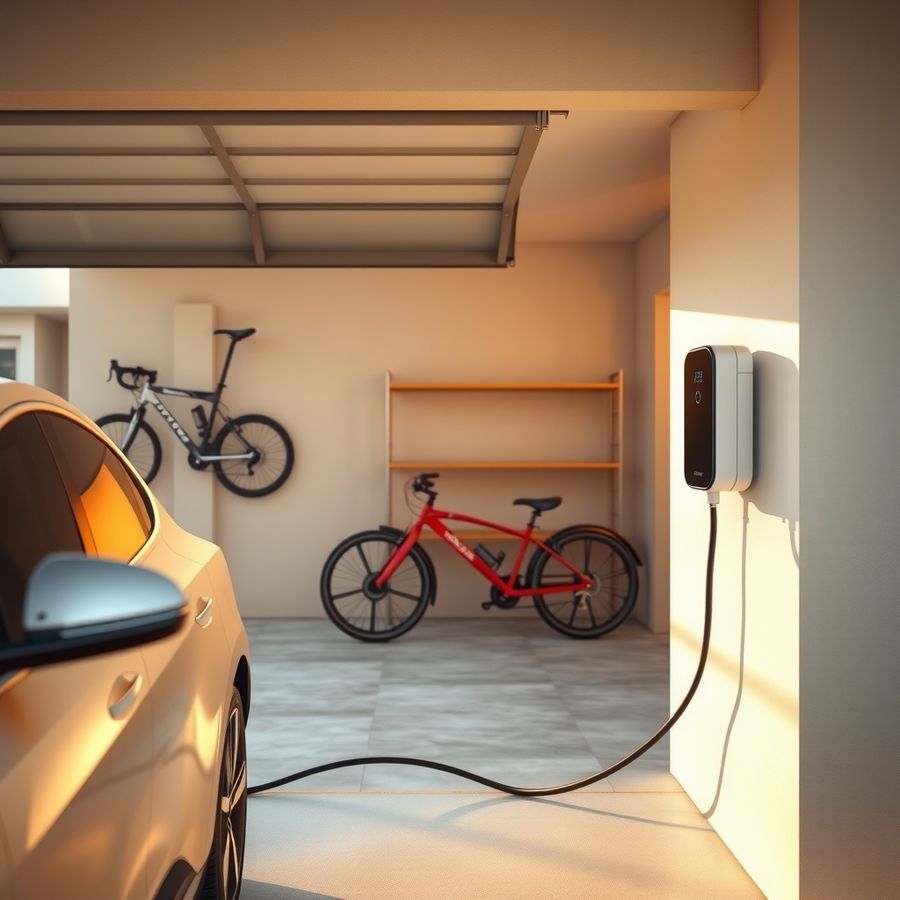
Setting your electric vehicle to stop charging at eighty percent for daily school runs protects the battery life and cuts down on long-term repair costs. Modern electric cars operate less like traditional combustion vehicles and much more like large, wheeled smartphones. For parents who already handle home Wi-Fi security, tablet screen limits, and location sharing with their kids, understanding how an electric car handles power and personal data is a natural next step.
When you drive an electric vehicle, you are moving away from liquid fuel and mechanical engines toward electric motors, high-capacity battery packs, and internet-connected operating systems. That connected nature brings incredible convenience, such as turning on the cabin heater from your kitchen on a cold morning. However, it also means your car collects location logs, family schedules, and phone sync details that deserve the same privacy care you give your home laptop.
This checklist covers how the vehicle technology works under the hood and what daily ownership feels like for a busy household, along with simple steps to keep your family's personal information secure.
Battery Power and Motor Basics
- Checklist Item 1: Think of the vehicle battery as a giant cluster of phone batteries.
- How and why: An electric vehicle runs on thousands of small rechargeable cells wired together into one flat pack beneath the floorboards. Instead of exploding gasoline inside cylinders to push pistons, the battery sends direct electrical current to an electric motor. The motor uses magnetic fields to turn the wheels immediately. This setup provides smooth, instant acceleration without gear shifts or engine noise.
- Everyday example: When you step on the pedal to pull out onto a busy highway during the morning commute, the car responds instantly without waiting for an engine to downshift.
- Tip to make it stick: Avoid running the battery down to zero percent. Just like your smartphone, letting an electric car battery sit completely empty damages the internal chemistry and shortens its lifespan.
- Checklist Item 2: Use regenerative braking to feed energy back into the pack.
- How and why: Traditional cars slow down by pressing friction pads against metal rotors, which turns motion into wasted heat. Electric vehicles flip the electric motor into reverse mode when you ease off the accelerator. The motor acts as a generator, slowing the car down while creating electricity that flows straight back into the main battery.
- Everyday example: Driving down a steep hill on the way to soccer practice actually adds two or three miles of available driving range back onto your dashboard screen.
- Tip to make it stick: Practice one-pedal driving in quiet neighborhood streets first. A common mistake is stomping on the mechanical brake pedal out of habit, which wastes energy that could have recharged your battery.
Smart Home Charging and Public Stops
- Checklist Item 3: Charge overnight using standard off-peak electricity hours.
- How and why: Electric cars charge using two main home speeds: a standard wall outlet (Level 1) or a dedicated 240-volt home charger (Level 2). Plugging in overnight takes advantage of lower electricity rates offered by utility companies when overall demand on the grid is low.
- Everyday example: You plug the cord into the car garage port at seven in the evening, set the car timer to start charging at midnight, and wake up to a full daily charge by six in the morning.
- Tip to make it stick: Set your vehicle's charge timer through the dashboard menu rather than relying on manual outlet switches. A common mistake is forgetting to plug the cord all the way in until you hear the click.
- Checklist Item 4: Plan long road trip breaks around fast chargers.
- How and why: Public direct-current (DC) fast chargers supply high voltage that tops up a battery from twenty to eighty percent in about twenty-five minutes. Because charge speeds slow down significantly after eighty percent to prevent overheating, stopping for short, frequent charges is faster than waiting for a full hundred percent.
- Everyday example: On a summer road trip, stop at a highway charging plaza, plug in, stretch your legs, get snacks with the kids, use the restroom, and return to a ready car.
- Tip to make it stick: Combine charging stops with planned meal times. A frequent error is waiting until the battery indicator hits five percent before looking for a charger on highway trips.

App Security and Family Data Safety
- Checklist Item 5: Restrict companion app permissions and location tracking.
- How and why: Vehicle mobile apps allow you to lock doors, check charge status, and track vehicle location remotely. However, these apps frequently request access to your smartphone contacts, calendar events, and location history. Limiting app permissions ensures third-party advertisers cannot track your family's daily movements.
- Everyday example: You grant the vehicle app permission to send push notifications for low battery warnings, but deny it access to your phone contacts and photo gallery.
- Tip to make it stick: Review the app's privacy settings on your phone once a month. A common mistake is clicking "Allow all permissions" during the initial app setup just to get through the installation screens quickly.
- Checklist Item 6: Wipe phone data and create separate guest profiles for teen drivers.
- How and why: When you pair a smartphone to your car via Bluetooth, the car downloads your call logs, text messages, and home address entries. Setting up individual user profiles keeps family members from seeing each other's private notifications and prevents temporary drivers from accessing your saved home location.
- Everyday example: When your teenager borrows the car, their user profile activates speed alerts and audio volume caps while keeping your personal contacts hidden.
- Tip to make it stick: Perform a full factory reset on the car's infotainment system before selling or returning a leased vehicle. Leaving paired Bluetooth profiles active is a widespread security oversight.

Range Planning and Basic Car Care
- Checklist Item 7: Build a twenty percent range cushion for cold weather.
- How and why: Cold winter air slows down the chemical reactions inside battery cells and reduces efficiency. Additionally, heating the passenger cabin requires electric energy directly from the battery pack since electric cars do not produce excess engine heat like gas cars do.
- Everyday example: If your morning commute takes forty miles of range in warm weather, expect it to consume around fifty miles on a freezing January morning.
- Tip to make it stick: Warm up the car cabin while it is still plugged into your garage charger before leaving. Heating the interior using house power saves your battery energy for actual driving.
- Checklist Item 8: Maintain tire pressure regularly while skipping routine oil changes.
- How and why: Electric cars have far fewer moving parts than internal combustion engines: no oil filters, spark plugs, timing belts, or exhaust systems. However, electric vehicles are heavier due to the battery pack, which puts extra wear on tires. Proper tire pressure preserves battery range and prevents premature tire wear.
- Everyday example: You skip the quarterly oil change trip entirely, spending five minutes checking tire pressures with a handheld gauge in your driveway instead.
- Tip to make it stick: Rotate your tires every six thousand miles. A common mistake is ignoring tire wear because the rest of the car requires so little mechanical maintenance.
Software Updates and Battery Health
- Checklist Item 9: Schedule over-the-air software updates during non-driving hours.
- How and why: Electric vehicles receive remote software updates over Wi-Fi that update motor efficiency, fix system bugs, and refine safety features. During an active update, the car cannot be driven or charged for up to forty-five minutes.
- Everyday example: You approve a software update to install at two in the morning while the car sits parked safely in the driveway.
- Tip to make it stick: Connect your car to your home Wi-Fi network so updates download reliably. Never initiate a manual software update while parked at a public charger or when you might need to leave in a hurry.
- Checklist Item 10: Keep your daily charge limit set between twenty and eighty percent.
- How and why: Lithium-based batteries experience chemical stress when held at maximum capacity or left near empty for long periods. Keeping the daily charge limit at eighty percent minimizes battery degradation over years of family ownership.
- Everyday example: Leave your daily target at eighty percent for commuting around town, and only adjust the setting to one hundred percent on the night before a long road trip.
- Tip to make it stick: Use the vehicle menu to set maximum charge caps. A mistake many new owners make is charging to one hundred percent every single night, thinking it acts like a gas tank that should always be filled to the brim.
Quick recap
- Electric motors provide quiet, instant power while regenerative braking collects energy when you slow down.
- Home charging overnight is the cheapest and most convenient way to keep your vehicle ready for daily trips.
- Managing app permissions protects your family's daily location data and personal contact lists from broad collection.
- Cold weather reduces driving range, so preheating the cabin while plugged into the wall saves battery power.
- Skipping engine oil changes simplifies car maintenance, but keeping up with tire rotations is vital.
- Limiting daily charging to eighty percent preserves overall battery health for years of reliable driving.
Are you thinking about making the switch to an electric vehicle for your family, or do you already park one in your driveway? Share your experiences or questions in the comments below!
You might also like
- Smart Home Gadgets for Students: Convenience, Savings, and Privacy to Watch
- A Plain Guide to Smartwatches and Fitness Trackers for Seniors
- A Small Business Owner’s Guide to Using AI Assistants Daily
Written with AI assistance; images are AI-generated.
Komentarze