Beauty of Krishnachura Flowers.
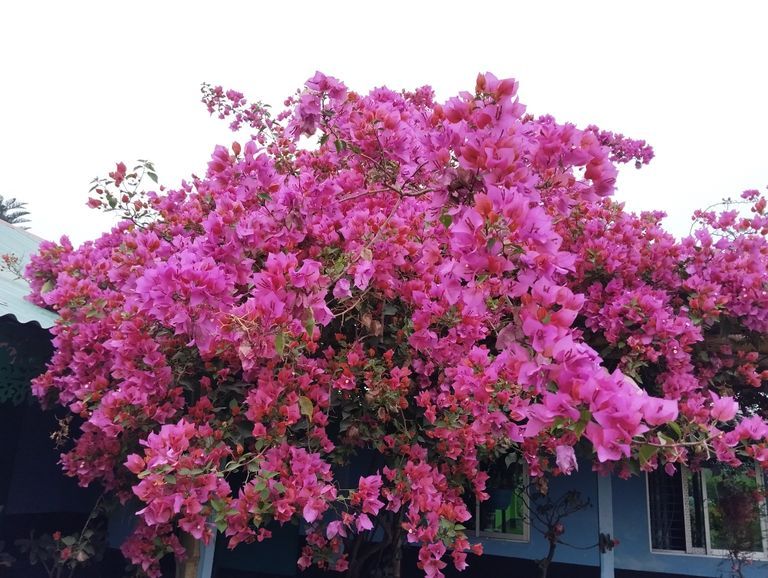
Nature has bestowed upon us countless mesmerizing flowers, each with its own unique charm. Among them, the Krishnachura flower (Delonix regia) stands out with its breathtaking beauty and vibrant colors. This tree, commonly known as the Flamboyant Tree or Royal Poinciana, is admired across tropical and subtropical regions. It not only enhances the landscape with its fiery red and orange blossoms but also holds cultural, historical, and ecological significance.
A Spectacle of Colors
Krishnachura is widely regarded as one of the most stunning flowering trees in the world. During the peak blooming season, which typically falls between late spring and early summer, the tree bursts into a dazzling display of crimson-red flowers. The petals have an elegant, fringed appearance, and a single flower consists of five broad petals, one of which is often streaked with white or yellow. Against the backdrop of delicate, fern-like green leaves, the red blooms create a spectacular contrast, making the tree an eye-catching sight from a distance.
Symbolism and Cultural Significance
In many cultures, the Krishnachura flower is more than just a visual delight—it carries deep symbolic meanings. In some places, it represents passion, love, and vitality due to its fiery red hue. In India and Bangladesh, the tree is often associated with romance and poetry, inspiring poets and artists to depict its beauty in their works.
The name "Krishnachura" is derived from two words: Krishna, referring to the Hindu deity Lord Krishna, and Chura, meaning "crown" or "crest." This association gives the flower a divine touch, symbolizing beauty and grace.
An Ecological Treasure
Beyond its aesthetic appeal, the Krishnachura tree plays a crucial role in the ecosystem.
Shade and Shelter – The tree’s wide-spreading branches provide excellent shade, making it a popular choice for planting in parks, gardens, and along roadsides. In tropical countries, it serves as a natural canopy, offering relief from the scorching sun.
Habitat for Birds and Insects – The flowers produce nectar that attracts bees, butterflies, and birds, supporting pollination and biodiversity. The tree also provides shelter for small animals and birds, adding to the ecological balance.
Soil Conservation – With its extensive root system, the Krishnachura tree helps prevent soil erosion, especially in areas prone to heavy rainfall.
A Connection to Seasons
Krishnachura’s blooming period is a much-awaited seasonal event in many regions. As the fiery blossoms take over, they announce the arrival of summer, transforming landscapes into a painter’s dream. The fallen petals create a striking red carpet beneath the tree, further adding to its poetic beauty.
In Bangladesh, India, and several other South Asian countries, the Krishnachura bloom is often linked to nostalgic childhood memories, university campuses, and love stories shared under its shade.
Where Can You Find Krishnachura?
Krishnachura is native to Madagascar but has been widely cultivated across Asia, Africa, the Caribbean, and the Americas. It thrives in tropical and subtropical climates, requiring plenty of sunlight and well-drained soil. Cities such as Dhaka, Kolkata, Miami, and Singapore are adorned with these magnificent trees, adding charm to their urban landscapes.
Cultivation and Care
For those who wish to plant and nurture a Krishnachura tree, here are some essential care tips:
Sunlight – The tree needs full sun exposure to thrive and bloom abundantly.
Soil – Well-drained soil, preferably sandy or loamy, is ideal.
Watering – While young trees need regular watering, mature trees are drought-resistant and require minimal care.
Pruning – Occasional pruning helps maintain a balanced shape and prevents weak branches from breaking.
Propagation – The tree is usually propagated through seeds, but soaking the seeds in warm water for 24 hours before planting enhances germination.
The Everlasting Charm of Krishnachura
Whether in full bloom or shedding its petals like a red waterfall, the Krishnachura tree never fails to captivate onlookers. Its fiery blossoms ignite passion in poets, artists, and nature lovers alike. A single glimpse of this magnificent tree can evoke emotions of joy, nostalgia, and admiration.
As an emblem of beauty, resilience, and ecological importance, Krishnachura continues to grace our landscapes, reminding us of nature’s ability to create art with its colors and forms. If you ever find yourself walking under a Krishnachura tree in full bloom, take a moment to appreciate its splendor—it is nature’s way of painting the world in vibrant hues.
Krishna Chura Flower Season: A Mesmerizing Bloom of Fiery Red
Introduction
Nature has a way of captivating hearts with its vibrant colors, and one such enchanting spectacle is the blooming season of the Krishna Chura flower. Known scientifically as Delonix regia and commonly called the Royal Poinciana or Flamboyant tree, this fiery red blossom transforms landscapes into breathtaking canvases. In Bangladesh, India, and many tropical regions, the Krishna Chura flower holds a special place in poetry, culture, and everyday life.
As summer arrives, the Krishna Chura trees explode in a riot of crimson, painting the streets, parks, and countryside with an unforgettable charm. In this blog, we will explore the beauty of Krishna Chura, its blooming season, cultural significance, ecological role, and tips on growing this stunning tree.
The Blooming Season of Krishna Chura
The Krishna Chura tree typically blooms in late spring to early summer, from April to June in tropical and subtropical regions. The blooming depends on climate, rainfall, and temperature. As temperatures rise and pre-monsoon showers arrive, the tree bursts into flames of red and orange blossoms, creating a dazzling display.
During this time, the streets and parks lined with Krishna Chura trees turn into mesmerizing landscapes, attracting nature lovers, photographers, and artists. The contrast of fiery red flowers against the deep green foliage and the clear blue sky creates a picture-perfect view. The blossoms last for several weeks, gradually shedding their petals, carpeting the ground with a rich, red hue.
Cultural and Symbolic Significance
Krishna Chura is not just a tree; it is a symbol of passion, love, and beauty in many cultures. It holds a special place in Bengali literature, poetry, and songs. Writers and poets have often described its breathtaking beauty as a metaphor for love, longing, and the vibrancy of life.
In West Bengal and Bangladesh, the blooming of Krishna Chura marks the arrival of summer, bringing a sense of nostalgia and romance. Many famous poets, including Rabindranath Tagore, have mentioned the flower in their works, celebrating its ethereal beauty.
In many cultures, the tree is also associated with prosperity and protection. Some believe that planting a Krishna Chura tree near homes brings good fortune and positive energy.
Ecological Importance
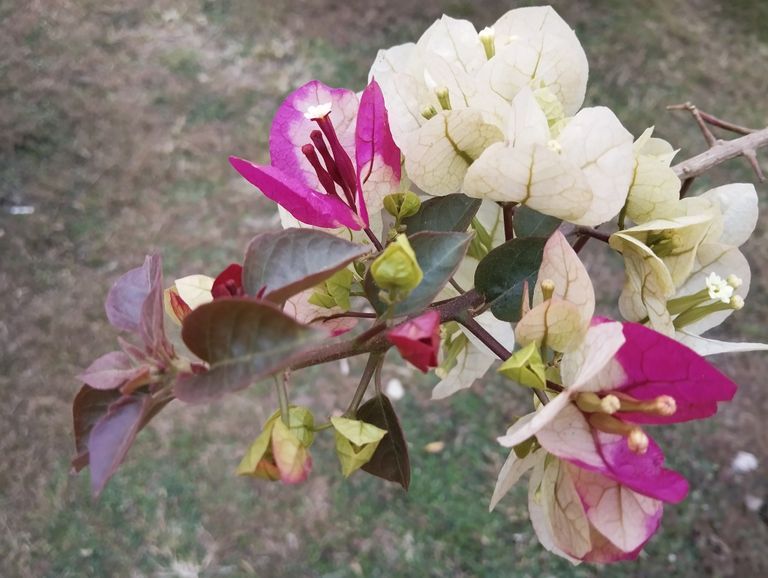
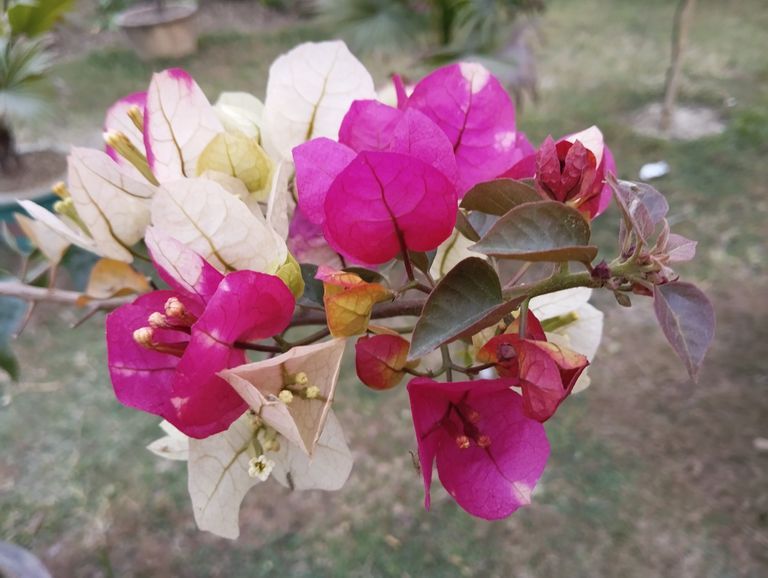
Beyond its aesthetic appeal, Krishna Chura plays a vital role in the ecosystem. Here’s why this tree is essential:
Supports Pollinators – Bees, butterflies, and birds flock to the Krishna Chura flowers, aiding in pollination and increasing biodiversity.
Provides Shade – The wide-spreading canopy offers relief from the scorching summer sun, making it an excellent shade tree.
Prevents Soil Erosion – Its strong roots help bind the soil, preventing erosion and improving soil fertility.
Urban Beautification – Many cities plant Krishna Chura trees along roads and parks to enhance their natural beauty.
How to Grow Krishna Chura in Your Garden
If you want to bring the beauty of Krishna Chura to your garden or backyard, here’s how you can grow and care for this magnificent tree:
Choosing the Right Location
Krishna Chura thrives in warm, tropical, and subtropical climates.
It requires full sunlight for at least 6-8 hours daily.
Ensure the area has enough space since the tree grows wide and tall (up to 12-15 meters).
Soil and Watering Needs
The tree prefers well-drained, sandy, or loamy soil with a slightly acidic to neutral pH.
Water young plants regularly, but once established, the tree becomes drought-tolerant.
Propagation and Planting
Krishna Chura is typically grown from seeds or saplings.
If growing from seeds, soak them in warm water for 24 hours before planting to improve germination.
Plant the seeds or saplings during spring for optimal growth.
Pruning and Maintenance
Prune young trees to shape them and remove weak branches.
Once mature, the tree requires minimal pruning but benefits from removing dead or broken branches.
Fertilize once a year with organic compost or a balanced fertilizer for better flowering.
Pest and Disease Management
The tree is generally resistant to pests but can sometimes be affected by aphids or caterpillars.
If pests appear, use organic insecticides or neem oil.
Ensure good air circulation to prevent fungal infections.
Where Can You See Krishna Chura in Full Bloom?
During the peak blooming season, Krishna Chura trees create magical landscapes in various regions. Some of the best places to witness this natural wonder include:
Bangladesh
Dhaka University Campus – The roads within the campus burst into fiery red during summer.
Chattogram Hills – The hillsides and roads become stunningly colorful with Krishna Chura and Radhachura blooms.
Cox’s Bazar – The road leading to the beach is lined with these vibrant trees.
India
Kolkata – Many roads, including those near Victoria Memorial, are lined with Krishna Chura trees.
Mumbai and Pune – The tree is commonly planted in parks and along avenues.
Kerala and Tamil Nadu – The tropical climate ensures abundant Krishna Chura blooms.
Other Countries
Singapore and Malaysia – Frequently planted in urban landscapes.
Florida, USA – Commonly grown in southern parts due to its warm climate.
Madagascar – The tree's native home, where it is found in abundance.
Conclusion
The Krishna Chura flower season is a spectacular time of year, turning landscapes into fiery red masterpieces. Its deep cultural significance, ecological benefits, and effortless beauty make it one of the most cherished trees in tropical regions.
Whether you admire it in the wild, plant it in your garden, or capture its beauty through art and photography, Krishna Chura remains a timeless symbol of nature’s brilliance. So, next time you see a Krishna Chura tree in full bloom, take a moment to appreciate its radiant charm and the vibrant energy it brings to the world. Have you ever experienced the magic of Krishna Chura in full bloom? Share your thoughts and favorite locations in the comments below.
Flamboyant Flame: The Benefits of the Krishnachura Flower (Royal Poinciana)
The Krishnachura flower, scientifically known as Delonix regia, is one of the most stunning and recognizable trees in tropical and subtropical regions. Also known as the Royal Poinciana, Flamboyant Tree, or Gulmohar, this tree is admired for its bright red or orange blossoms that create a fiery spectacle in summer. Apart from its beauty, the Krishnachura tree has several medicinal, environmental, and cultural benefits that make it a valuable asset to nature and human society.
In this blog, we will explore the various benefits of the Krishnachura flower, including its medicinal properties, environmental advantages, and significance in culture and tradition.
Medicinal Benefits of Krishnachura
Traditional medicine has long used different parts of the Krishnachura tree for treating ailments. The flowers, leaves, bark, and seeds contain bioactive compounds with medicinal properties.
a) Anti-inflammatory Properties
The bark and leaves of the Krishnachura tree have been used in traditional medicine to treat inflammation, swelling, and joint pain. They are often used in herbal remedies for arthritis, rheumatism, and muscle pain.
b) Natural Remedy for Fever and Respiratory Issues
A decoction made from the bark is believed to have antipyretic (fever-reducing) properties. It is also used to treat coughs, bronchitis, and asthma by clearing respiratory blockages.
c) Wound Healing and Skin Health
The flower extracts of Krishnachura have been used for their antiseptic properties. They help in wound healing and preventing infections. Some herbal treatments use it to treat skin diseases, burns, and ulcers.
d) Digestive Aid
Krishnachura leaves and seeds are sometimes used in traditional medicine to treat constipation, indigestion, and other gastrointestinal problems.
e) Antimicrobial and Antioxidant Properties
Studies suggest that the extracts from the Krishnachura plant may have antibacterial and antifungal properties, which help fight against harmful pathogens. Its antioxidants help in reducing cell damage caused by free radicals.
Environmental Benefits of the Krishnachura Tree
Apart from its medicinal uses, Krishnachura plays a significant role in maintaining a healthy environment.
a) Provides Shade and Cooling Effects
The Krishnachura tree has a wide canopy that provides excellent shade, making it an ideal tree for urban areas, parks, and gardens. It helps reduce heat island effects in cities and provides shelter to birds and small animals.
b) Improves Air Quality
Like all trees, Krishnachura helps in absorbing carbon dioxide and releasing oxygen, improving air quality. It also traps dust and pollutants, making the environment cleaner.
c) Prevents Soil Erosion
The strong root system of the Krishnachura tree helps bind the soil together, preventing erosion, especially in areas prone to landslides or heavy rains.
d) Supports Biodiversity
Krishnachura trees attract pollinators like bees, butterflies, and birds. It also provides a habitat for small animals, supporting local ecosystems.
Cultural and Aesthetic Significance
The Krishnachura tree is deeply connected to culture, literature, and aesthetics, especially in tropical countries.
a) Symbol of Beauty and Passion
In many cultures, the vibrant red-orange flowers of Krishnachura symbolize love, passion, and vitality. They are often mentioned in poetry, songs, and paintings.
b) Used in Festivals and Decorations
The flowers are used in festivals, traditional ceremonies, and religious rituals. Their bright color adds beauty to decorations and floral arrangements.
c) Inspiration in Literature and Art
Many poets and artists have drawn inspiration from the Krishnachura tree. It is often described in romantic poetry and paintings as a symbol of fiery love and youthful energy.
Economic and Practical Uses
The Krishnachura tree also has several practical applications.
a) Timber and Wood Uses
Although the wood of the Krishnachura tree is not as hard as teak or mahogany, it is sometimes used for making furniture, tool handles, and small wooden items.
b) Natural Dye Production
The flowers of Krishnachura contain natural pigments that can be used for making dyes for fabric, art, and cosmetics.
c) Ornamental and Landscaping Tree
Due to its stunning appearance, the Krishnachura tree is widely planted in gardens, along roadsides, and in parks to enhance the beauty of urban and rural areas.
How to Grow and Care for a Krishnachura Tree
If you want to plant and maintain a Krishnachura tree, here are some important tips:
a) Ideal Climate and Soil
Krishnachura thrives in warm, tropical, and subtropical climates.
It prefers well-drained, sandy, or loamy soil.
b) Sunlight and Watering
The tree requires full sunlight for healthy growth and abundant flowering.
It needs moderate watering, especially during dry seasons.
c) Pruning and Maintenance
Pruning should be done after flowering to maintain shape and encourage new growth.
The tree is drought-resistant, but young trees need regular watering.
Conclusion
The Krishnachura (Royal Poinciana) tree is more than just a beautiful flowering plant. Its medicinal, environmental, cultural, and economic benefits make it an essential part of both nature and human society. Whether it is providing shade, supporting biodiversity, inspiring art, or offering medicinal properties, this tree continues to be a valuable asset to the world.
Planting and protecting Krishnachura trees can help in beautifying landscapes, improving air quality, and preserving biodiversity. So, next time you see a Krishnachura in full bloom, take a moment to appreciate its natural elegance and hidden benefits. Would you like to know more about Krishnachura's medicinal uses in detail or its role in literature and culture? Let me know how I can expand on any section.
Comments